Pre-Cancer Cell Communication Network Atlas
Transformed breast cells use physical nanotube connections to transmit BMP signaling to normal neighbors, actively spreading a preneoplastic state — meaning early cancer initiation may be a contagious process, not just isolated mutations.

Pre-Cancer Cell Communication Network Atlas
Transformed breast cells use physical nanotube connections to transmit BMP signaling to normal neighbors, actively spreading a preneoplastic state — meaning early cancer initiation may be a contagious process, not just isolated mutations.
Create a curated dataset and visualization platform cataloging known mechanisms of cell-to-cell communication in pre-cancerous and early tumor initiation contexts — covering tunneling nanotubes, exosomes, gap junctions, and direct contact signaling. For each entry, the atlas would record the cancer type, donor/acceptor cell identity, the molecules transferred, the downstream pathways activated, and the functional phenotype change in acceptor cells. This provides a unique resource for researchers studying field cancerization and early intervention.
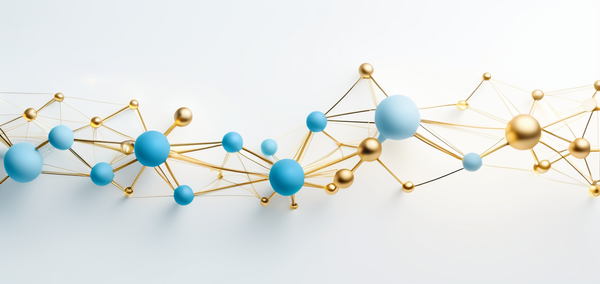
The visualization layer would display communication networks as interactive directed graphs: which cell types send signals, which receive them, and what molecular cargo flows between them. Researchers could filter by cancer type, signaling molecule, or biological outcome. Integration with existing pathway databases (KEGG, Reactome) would contextualize the downstream consequences.
This tool matters now because the field is shifting from viewing tumors as isolated clonal expansions to understanding them as cooperative ecosystems. A dedicated resource for intercellular communication in cancer initiation would help identify new early-intervention targets — specifically the nanotube formation machinery or BMP pathway components that enable the 'spreading' of pre-cancerous states.
Who Is This For?
Cancer biologists studying tumor initiation, early detection researchers, and drug developers interested in preventing cancer field effects rather than treating established tumors.
Skills & Tools Needed
- Biocuration of molecular biology literature
- Graph visualization (D3.js, Cytoscape.js, or similar)
- Full-stack web development
- Knowledge of cell biology (exosomes, tunneling nanotubes, paracrine signaling)
- Integration with pathway databases via APIs (KEGG, Reactome)
Feasibility
medium — Technically feasible for a small team with web development and biology expertise; the main challenge is initial curation effort, which could start small and grow via community contribution.
Inspired by: Tunneling nanotubes propagate a BMP-dependent preneoplastic state.